
Summary: Tesla is reportedly considering adding Apple CarPlay to its vehicles by the end of 2025, a notable shift from its previous stance and industry trends. While competitors like General Motors are phasing out CarPlay in favor of native infotainment systems, Tesla’s move aims to enhance customer satisfaction amid slowing demand and increased competition.
Tesla Faces Challenges and New Strategies
Tesla is currently navigating several challenges, including slowing demand for its models due to increased competition and the expiration of government electric vehicle incentives. Additionally, ongoing developments involving Elon Musk have added complexity to the company’s situation. To address these issues, Tesla is exploring various strategies such as introducing more affordable models and offering car rentals. Now, the company may be responding to customer requests by adding a popular feature: Apple CarPlay.
Tesla’s Potential Addition of Apple CarPlay
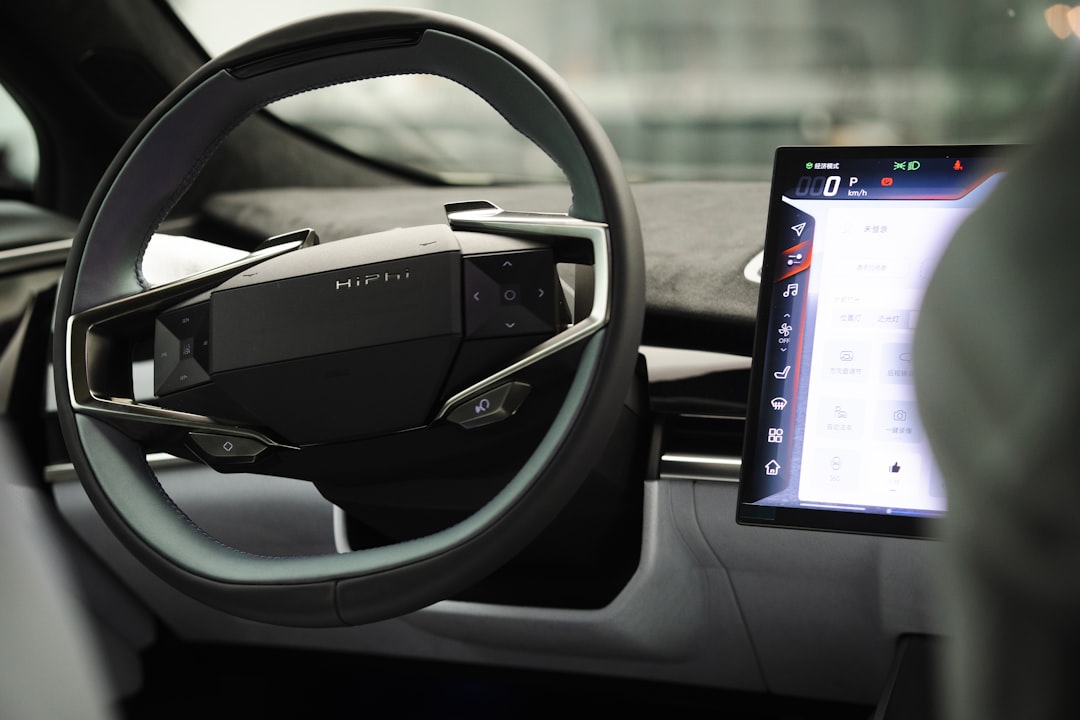
According to Bloomberg, Tesla is reportedly testing the standard Apple CarPlay setup with plans to potentially introduce it by the end of 2025. Unlike Apple CarPlay Ultra—which debuted earlier this year in the $250,000 Aston Martin DBX and controls both audio and vehicle systems—Tesla’s implementation would allow CarPlay to run on the central touchscreen while keeping native controls for functions like Reverse, Drive, lights, wipers, and Autopilot visible at all times.
Currently, Android Auto is not being considered. Details about which Tesla models would receive CarPlay or whether older models could be updated remain unclear, as the feature is still in the testing phase with no official rollout date announced.
Industry Trends: GM and Others Move Away from CarPlay
Tesla’s move contrasts with recent trends in the automotive industry. General Motors (GM) CEO Mary Barra shared with The Verge that GM plans to phase out Apple CarPlay and Android Auto in upcoming vehicles. This transition began last year with electric models like the Chevrolet Equinox EV and Cadillac Escalade IQ, which rely solely on GM’s native Android Automotive-based infotainment system. GM intends to extend this approach to new gas and hybrid vehicles as they receive infotainment updates.
This strategy has faced criticism from consumers and industry analysts, who worry it could lead to lost sales. Research indicates that CarPlay remains a significant factor for buyers.
Why Apple CarPlay Matters to Consumers
A July study by AutoPacific found that over 60% of respondents consider Apple CarPlay and Android Auto features that could “make or break the deal” when purchasing a new car. These features rank alongside conveniences like power driver’s seats and all-wheel drive, highlighting their importance in the buying decision.
Tesla’s Changing Stance on Apple Integration
Other automakers like Rivian and Lucid have also resisted integrating Apple CarPlay or Android Auto into their infotainment systems. BMW briefly offered CarPlay as a subscription service in 2018 but discontinued it after customer backlash.
After years of skepticism toward Apple, Tesla appears open to embracing Apple CarPlay as it adapts to the evolving electric vehicle market and strives to satisfy shareholders and customers alike.