
Summary: I recently had the chance to ride in one of the UK’s first self-driving cars, operated by Wayve, as it navigated the busy and complex streets of north London. Despite my initial skepticism, the experience was surprisingly human-like and cautious, highlighting both the challenges and promise of autonomous vehicles in a city as demanding as London.
A Surprising Ride in a UK Self-Driving Car
I never really believed self-driving cars would make it to the UK anytime soon, so imagine my surprise when I found myself climbing into one of Wayve’s autonomous vehicles for a spin around north London a few weeks ago. The robotaxi felt surprisingly human, even a little timid, yet it handled the city’s chaos without incident — including safely avoiding a blind man who unexpectedly stepped into the road.
Why London Is a Tough Test for Autonomous Vehicles
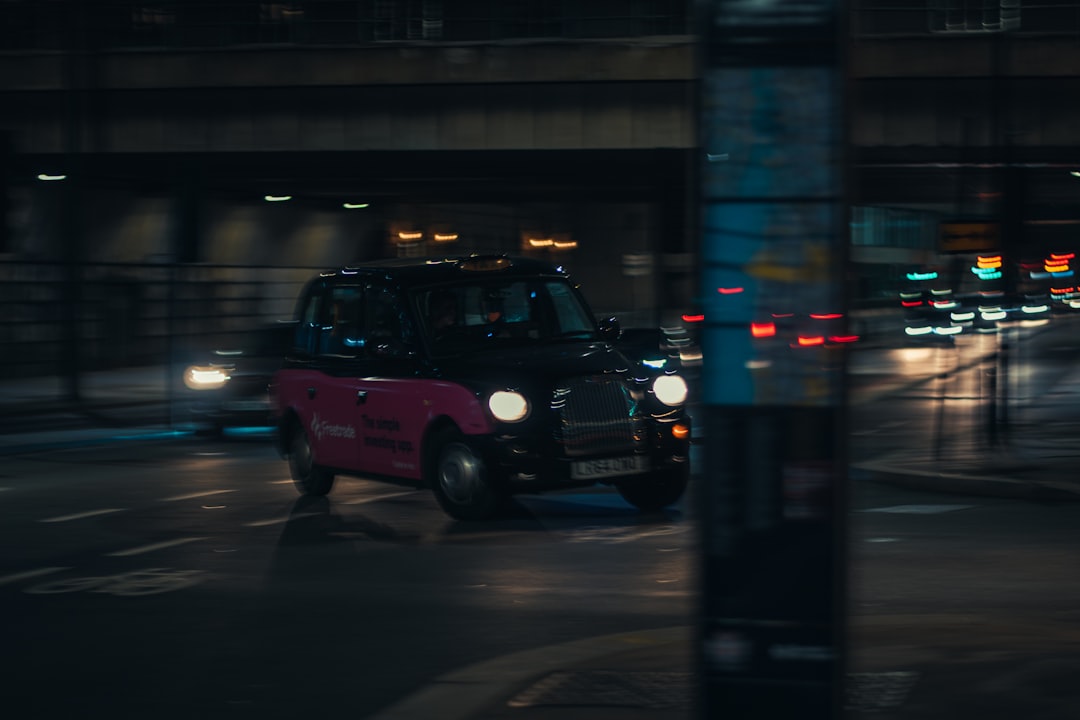
London presents a unique challenge for self-driving cars. Its narrow, winding roads were designed centuries ago for horses and carts, not modern vehicles. Navigating tight streets filled with potholes, parked cars, jaywalkers, cyclists, buses, taxis, and even the occasional rogue military horse makes autonomy a daunting task. Add to that the unpredictable weather and complex roundabouts, and it’s clear why many doubt robotaxis will succeed here.
Beyond the physical challenges, there’s the human factor. Londoners tend to be skeptical about AI in cars, ranking among the most doubtful worldwide. Past hype and failures have left a legacy of distrust. Plus, the iconic black cabs, known for fiercely protecting their turf, dismiss driverless cars as mere “fairground rides” or “tourist attractions.”
Wayve’s Unique Approach to Self-Driving Technology
Wayve’s headquarters, a modest warehouse near King’s Cross, contrasts with the high-tech image you might expect. Founded in 2017 in a Cambridge garage and led by cofounder Alex Kendall, the company has raised over $1 billion from major investors like Nvidia, Microsoft, and SoftBank.
Their fleet of Ford Mustang Mach-Es looks almost ordinary, with only a small sensor box above the windshield hinting at their autonomous capabilities. Inside, the car feels familiar, save for a big red emergency stop button reminding us a human driver must be ready to take control if needed.
Unlike other companies like Waymo that rely heavily on detailed maps and strict rules, Wayve uses an end-to-end AI model that drives more like a human. This means the car can adapt to new environments more naturally, similar to how a person would when navigating unfamiliar streets. In fact, Wayve has been testing its technology in 500 cities worldwide, including the Scottish Highlands, proving its adaptability.
The Ride: Human-Like, Cautious, and Impressive
As we left Wayve’s compound, the car smoothly merged onto busier roads, carefully weaving between parked vehicles and slowing down politely when food couriers on electric bikes cut in. It respected the informal jaywalking culture of London’s pedestrians and handled roadworks, learner drivers, cyclists, buses, and even a person on crutches with cautious competence.
The ride wasn’t perfectly smooth—Wayve’s cautiousness reminded me of a new driver’s tentative approach—but that hesitancy is intentional. It prioritizes safety and human-like judgment over speed and aggression. A particularly memorable moment was when a blind man stepped out between parked cars; the car slowed and adjusted its path seamlessly.
By journey’s end, I’d stopped thinking about who was driving. The only giveaway was the occasional shrill buzzer signaling the safety driver had taken back control. It was a rough-around-the-edges but promising glimpse into the future of autonomous driving in London.
Looking Ahead: The Future of Robotaxis in London and Beyond
In June, Wayve announced plans with Uber to trial Level 4 fully autonomous robotaxis in London as early as 2026, aligning with government initiatives to fast-track self-driving pilots. Alphabet-owned Waymo also plans to launch its own driverless service in London by 2026, marking its first expansion beyond the US.
While challenges remain—both technical and cultural—the progress I witnessed suggests that autonomous vehicles could soon become a familiar part of London’s streetscape. With their human-like driving style and adaptability, companies like Wayve are paving the way for a future where robotaxis are not just sci-fi fantasies but everyday realities.
Follow topics and authors from this story to see more like this in your personalized homepage feed and to receive email updates.